

Table of Contents
- Start With How You Actually Use the Room
- Living Room Layout Ideas That Work With Your Space
- Use the 60-30-10 Rule to Build a Color Palette
- Layer Lighting for Warmth and Function
- Add Texture Through Upholstery and Textiles
- How to Style a Coffee Table Without Clutter
- Style a Living Room on a Budget Without Sacrificing Quality
- How to Style a Living Room That Lasts: Sustainable and Accessible Choices
- Frequently Asked Questions
Last Updated: September 12, 2026
Start With How You Actually Use the Room
Before you move a single piece of furniture, answer one question: what does this room need to do? A living room that hosts weekly gatherings has different requirements than one that serves as a quiet reading retreat. This guide from Hedi's Furniture walks through how to style a living room around real life rather than a catalog photo.

Function drives every decision that follows. A room built for conversation needs seating arranged in a closed loop. A room built for movie nights needs clear sightlines to a screen. A room with kids or pets needs durable upholstery and washable textiles.
Start by listing how the space gets used on a typical week. That list becomes your filter for every choice after it.
Living Room Layout Ideas That Work With Your Space
Good living room layout ideas start with the room's fixed points: doors, windows, fireplaces, and the pathway people naturally walk. Build the seating around those, not against them.
Anchor the Seating on a Rug
A rug is the fastest way to make a seating group feel intentional. Position the front legs of your sofa and chairs on the rug, or place all legs on it if the room allows. This creates a visual boundary that tells the eye where the conversation area begins and ends.
Scale matters here. A rug that's too small makes even a large sofa look undersized. When in doubt, size up.
Respect Traffic Patterns and Negative Space
Leave a clear path between doorways and the main seating area. A common mistake is pushing furniture against every wall, which fragments the room and kills conversation. Pull the sofa away from the wall, even by a few inches, and let negative space do some of the work.

Use the 60-30-10 Rule to Build a Color Palette
The 60-30-10 rule is a simple proportion system for building a color palette: 60 percent of the room in a dominant color, 30 percent in a secondary tone, and 10 percent in an accent. It's the fastest way to make a room feel deliberate instead of accidental.
For a warm, timeless result, keep the 60 percent in a neutral (cream, oatmeal, warm gray) and let the 30 percent carry texture through upholstery or a statement sofa. The final 10 percent is where you can take a risk: a saturated pillow, a brass lamp, a piece of wall art with real color.

Test paint and fabric swatches in the room's actual light before committing. North-facing rooms read cooler; south-facing rooms read warmer.
Layer Lighting for Warmth and Function
A single overhead fixture flattens a room. Layer three types instead: ambient lighting for overall glow, task lighting for reading or working, and accent lighting to highlight art or architecture.
- Ambient: a dimmable ceiling fixture or floor lamp that washes the room
- Task: a table lamp beside the main reading chair, angled at shoulder height
- Accent: a small spotlight or picture light aimed at wall art
Put the ambient and task lights on dimmers. In the evening, drop the overhead and let the lamps carry the room. That single habit does more for atmosphere than any single purchase.
Add Texture Through Upholstery and Textiles
Texture is what keeps a neutral room from feeling flat. Mix at least three: a smooth surface, a nubby one, and something with sheen.
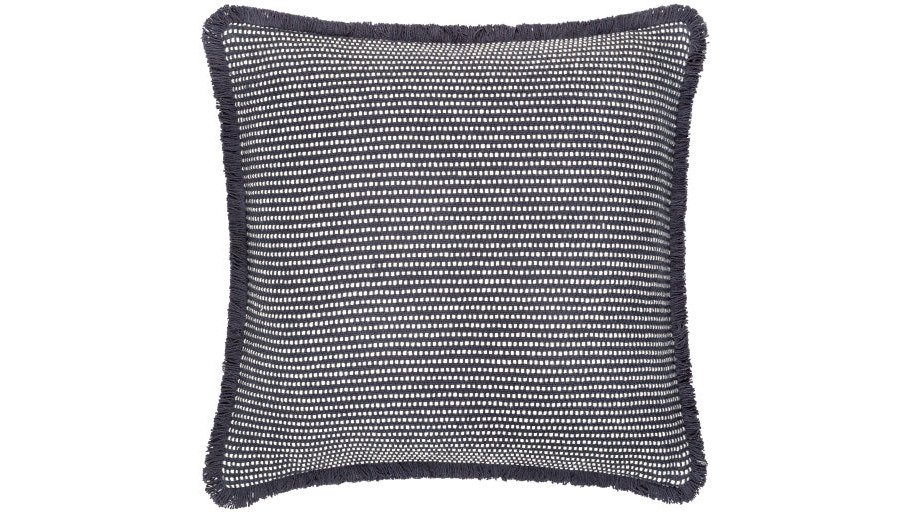
Upholstery carries most of the visual weight, so choose it first. Natural fibers like cotton, linen, and wool age well and soften with use. Add a throw blanket and a few pillows in contrasting weaves. A cotton fringe pillow, for instance, adds a tactile detail that reads as considered rather than cluttered.
How to Style a Coffee Table Without Clutter
The best coffee table styling follows a simple rule: three objects, varied heights, one living element. A stack of books, a small bowl or tray, and a single stem in a vase is enough. Anything more starts to feel like storage.
Vary the heights so the eye travels. Keep the surface about two-thirds clear, which leaves room for a drink or a plate and keeps the table usable. If you have a round table, arrange the objects in a triangle rather than a straight line.
Style a Living Room on a Budget Without Sacrificing Quality
A budget-conscious approach works best when you spend on the pieces you touch daily and save on the ones you don't. Sofas, chairs, and rugs take the most wear, so prioritize quality there. Pillows, throws, and small decor are easy to swap later.
The Cost-Per-Use Framework
Before you buy anything, run a simple cost-per-use estimate. Divide the price by the number of years you expect to keep the piece, then by the number of days per year you'll actually use it. A sofa you sit on daily for a decade almost always beats a cheaper sofa you replace in three years, even when the sticker price is three times higher. The same math usually favors a real wool rug over a synthetic one, because wool resists crushing and cleans up better.
A common pattern among stylists is to allocate roughly 60 percent of a living room budget to the two or three pieces that carry the most visual and physical weight, the sofa, the main rug, and the primary light fixture, and spread the remaining 40 percent across everything else. That ratio keeps the room from looking like a showroom of compromises.
Where to Save Without It Showing
- Pillow inserts: Buy down or down-alternative inserts separately and swap covers seasonally. Covers cost a fraction of finished pillows and store flat.
- Art and frames: Thrifted frames plus mat board cut to size at a craft or framing shop read as custom for a fraction of a gallery price.
- Side tables and consoles: Solid wood secondhand pieces can be sanded and refinished in an afternoon. Particleboard cannot, check the underside and edges before you buy.
- Lighting: A basic lamp base plus a quality shade upgrades the whole fixture. Shades are the cheapest way to change a room's mood.
Where Not to Save
- Sofa frame and joinery: Look for kiln-dried hardwood frames and joints that are doweled, screwed, or corner-blocked rather than stapled. A stapled frame is the first thing to fail.
- Rug pad: A quality pad extends a rug's life, prevents slipping, and makes even a thin rug feel plush. It is the single cheapest upgrade in the room.
- Upholstery fabric rub count: Ask for the fabric's double-rub rating. Higher counts resist pilling and abrasion, which matters most on the seat cushion and arms.
Rearrange Before You Buy
Before spending anything, pull every piece away from the walls, clear the floor, and rebuild the seating group from scratch. Most rooms improve simply by floating the sofa, angling a chair, and removing one piece of furniture that was doing nothing. Photograph the empty room, then photograph each new arrangement, the camera catches proportion problems your eye forgives.
Upcycle One Piece Instead of Replacing It
Pick the piece with the best bones and the worst finish, a sturdy dresser, a solid coffee table, a pair of wooden chairs, and refinish it. Sand to bare wood or scuff the existing finish, prime if needed, and paint or stain. New hardware (knobs, pulls, legs) changes a piece's era in minutes. This is the highest-leverage budget move in the room: one weekend of work, a small materials cost, and a result that reads as intentional rather than thrifted.
How to Style a Living Room That Lasts: Sustainable and Accessible Choices
Timeless styling and sustainable styling are the same project. A room built from materials that age well stays current longer, which is the most effective form of sustainability there is, the greenest furniture is the furniture you don't replace.
Choose Materials That Age Instead of Degrade
- Solid wood over particleboard or MDF. Solid wood can be sanded and refinished repeatedly; composite panels swell and crumble once moisture reaches the core. Look for a visible grain that continues across a joint, and check the underside for a consistent species rather than a veneer over chips.
- Natural fibers over synthetics for rugs and upholstery. Wool, cotton, linen, jute, and hemp biodegrade and can be cleaned and repaired. Most polypropylene and polyester rugs shed microplastics with every wash and cannot be rewoven (the EPA).
- Full-grain or top-grain leather over bonded. Full-grain leather develops a patina and can be conditioned and repaired. Bonded leather is a polyurethane coating over leather scraps and peels within a few years.
- Water-based finishes and low-VOC paints. These reduce off-gassing in a room you spend hours in, and they're now widely available at the same price as conventional options.
Circular Design in Practice
Circular design means planning for a piece's second and third life before you buy it. Three practical moves:
- Buy repairable, not disposable. Choose furniture with removable, replaceable cushions and covers, and hardware you can tighten or swap. A sofa with a zippered, replaceable cover can be reupholstered at home.
- Source secondhand first for accent pieces. Consoles, side tables, lamps, and art are low-risk secondhand purchases because they take little wear. This diverts usable furniture from landfills and usually costs less.
- Resell or donate rather than discard. When a piece no longer works, a marketplace listing or a local donation pickup keeps it in circulation. Keep original hardware and any spare fabric so the next owner can maintain it.
Universal Design for Every Body
Accessibility-focused styling is almost entirely absent from mainstream living room guides, yet the adjustments are simple and benefit everyone, guests, older family members, and anyone recovering from an injury. The goal is a room that works without anyone having to ask for help.
- Clearance: Keep main walkways at least 36 inches wide and aim for 42 to 48 inches where a wheelchair or walker needs to turn (ada.gov). Measure the tightest point, not the average.
- Seating height and support: A seat height around 18 to 19 inches is easier to rise from than a low, deep sofa (the CDC). Firm seat cushions and solid arms give something to push against. Avoid seating so deep that a shorter person's feet don't reach the floor.
- Rug safety: Use a non-slip pad under every rug and keep edges flat. Low-pile or flatweave rugs are easier to roll over than thick shag. Avoid loose runners and curled corners.
- Lighting: Layer task lighting near every seat so no one has to strain to read. Add a lamp within reach of the sofa and each chair, and put the main lights on dimmers to reduce glare.
- Contrast and clarity: Use contrast between furniture and floor so edges are visible, and keep the floor between the door and the main seat clear of cords, ottomans, and low tables that become obstacles.
- Reach and control: Place outlets, lamp switches, and remotes within reach of the seated position. Smart plugs and voice control reduce the need to get up to adjust lighting.
Why This Matters Beyond Aesthetics
A room styled for longevity and access is a room that stays functional through changes in household, health, and taste. That is the practical case for both sustainability and universal design: fewer replacements, fewer injuries, and a space that keeps working as life changes.
At Hedi's Furniture, every piece is handcrafted from solid woods, natural fibers, and full-grain leathers, and each one is backed by a Lifetime Warranty Guarantee. Free design guidance helps you plan a room that works for how you actually live.
Frequently Asked Questions
What is the 60-30-10 rule for decorating living rooms?
The 60-30-10 rule divides a room's color palette into three parts: 60% dominant color (walls, large upholstery), 30% secondary color (rugs, curtains, accent chairs), and 10% accent color (pillows, art, small decor). This balance keeps a living room cohesive without feeling flat. Start with a neutral dominant, choose a mid-tone secondary, then add one bold accent. Hedi's Furniture's neutral upholstery and natural fiber pieces make it easy to apply this ratio.
How do I choose the right furniture scale for my living room?
Measure your room's dimensions and note doorways and walkways first. As a general guide, leave 14 to 18 inches between a coffee table and sofa, and keep 30 to 36 inches of walking space in main traffic paths. A sofa that fills two-thirds of the wall it sits against usually feels balanced. For larger rooms, a sectional like the Belmont (113 x 113 inches) anchors the space; smaller rooms suit a 99-inch sofa such as the Boden.
How can I style a living room on a tight budget?
Focus on what you already own and add texture rather than volume. Rearrange furniture to improve spatial flow, swap in a few new pillow covers, and layer a throw over an existing chair. Shop secondhand for rugs and art, and prioritize one well-made piece over several inexpensive ones. Hedi's Furniture's complimentary design guidance can help you plan purchases so you only buy what the room actually needs.
How do you balance comfort and style in a living room?
Comfort comes from seat depth, cushion fill, and accessible surfaces for drinks and books. Style comes from consistent color, varied texture, and deliberate negative space. Choose a sofa with supportive cushions and hardwood frames, then add a burlap-wrapped coffee table for texture and a cotton fringe pillow for softness. Keep pathways clear, and let one statement piece, such as a sofa or sectional, carry the visual weight.
Styling a living room well comes down to function first, then proportion, then texture and light. The pieces you choose should earn their place by how they're used, not just how they photograph. Hedi's Furniture offers handcrafted sofas, tables, and decor built to last for generations, with complimentary design guidance and free shipping on US orders over $100. Browse the collection and start with the one piece that anchors the room.